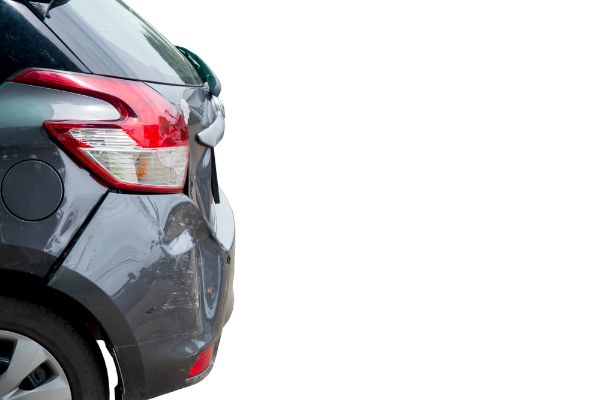
After a collision, it is easy to focus on what you can immediately see. A damaged bumper, dented fender, cracked headlight, or scraped paint can make the necessary repairs seem obvious. However, not all collision damage is visible from the outside. Some problems can be hidden beneath body panels or within the vehicle’s mechanical, electrical, and safety systems.
That hidden damage may not cause noticeable symptoms right away. In some cases, problems can develop weeks or months after the collision, making it important to have your vehicle thoroughly inspected after an accident, even if it appears to be driving normally.
Hidden Structural Damage
A collision does not have to leave a vehicle visibly crushed to affect its underlying structure. Impact forces can damage structural components, mounting points, or other areas designed to help protect the vehicle and its occupants.
Some structural damage may not be obvious without the proper inspection and measuring equipment. If these areas are not identified and repaired correctly, you may notice changes in how the vehicle handles, tracks, or responds while driving.
This is one reason professional collision repair involves more than replacing the damaged exterior panels.
Alignment and Suspension Problems
The force from a collision can travel through the wheels, tires, steering, and suspension components. Even an impact that appears relatively minor can potentially affect components that are not immediately visible.
You may eventually notice symptoms such as uneven tire wear, a vehicle pulling to one side, an off-center steering wheel, unusual noises, vibration, or changes in handling. Some suspension or alignment problems may become more noticeable as you continue driving.
A post-collision inspection can help identify problems before they turn into larger repair concerns.
Electrical Problems Can Appear Later
Modern vehicles rely on extensive electrical systems, wiring, modules, sensors, and computers. Collision damage can affect wiring or electrical components even when there is little visible evidence of a problem.
Some electrical issues may not show up immediately. A warning light, intermittent electrical failure, malfunctioning component, or battery-related issue could appear later as a result of damage sustained during the collision.
Because many vehicle systems communicate electronically, proper diagnostics can be an important part of the collision repair process.
Sensors and Safety Systems May Be Affected
Many newer vehicles use cameras, radar, sensors, and other technology to support driver-assistance and safety features. These components can be sensitive to impact, movement, or changes in their mounting positions.
Even if a sensor itself does not appear damaged, its position may have been affected by the collision. Depending on the vehicle and the type of repair required, calibration may be necessary to help ensure these systems function as designed.
Ignoring a problem with an advanced driver-assistance system could mean discovering the issue only when you need that feature to work.
Mechanical Damage Can Hide Beneath the Surface
Collision forces can sometimes affect mechanical components that are not directly visible. Depending on where and how the vehicle was hit, areas such as the cooling system, steering components, exhaust system, engine accessories, or other parts may be affected.
Some damage may cause an immediate symptom, while other problems may become apparent only after additional driving. A vehicle can appear to run normally after an accident while still requiring further inspection.
Why Problems Sometimes Show Up Later
Not every collision-related problem produces an immediate warning. A component may continue functioning after an impact but become unreliable later. A small alignment change can contribute to premature tire wear, while hidden wiring damage may eventually lead to an intermittent electrical problem.
This can make it difficult to connect a problem that appears weeks or months later to an earlier collision.
Keeping documentation from your accident and repair can be helpful if a new concern develops. It can also give your repair facility important information when diagnosing the vehicle.
A Thorough Inspection Matters After a Collision
After an accident, don't judge the extent of the damage solely by what you can see. A professional collision inspection can help identify concerns involving the vehicle's structure, suspension, alignment, electrical systems, safety technology, and other components.
Even if your vehicle seems to drive normally, having it properly evaluated can help uncover issues before they become more expensive or create additional problems.
When it comes to collision repair, repairing what is visible is only part of the process. A thorough inspection and proper repair procedures can help ensure that hidden damage is identified and addressed rather than becoming a problem later.